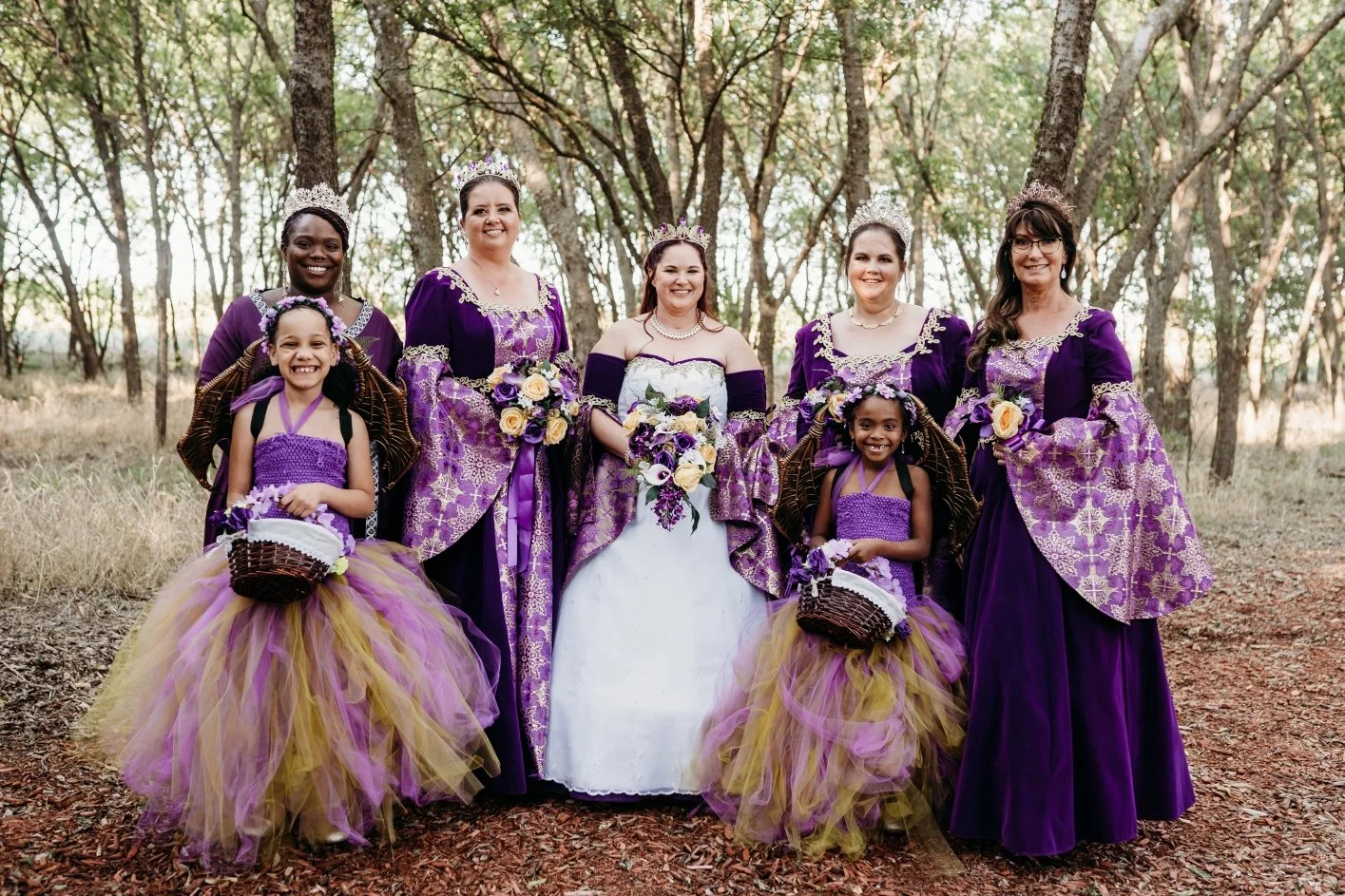
The Complete Bridal Alterations Guide
When a bride falls in love with her wedding gown, she responds to the silhouette, the sparkle, and the emotion woven into every detail. But the part that makes a gown feel like it was made for her happens in the quiet, meticulous work of alterations.
Bridal alterations are where the magic is shaped. Every adjustment is intentional. Every stitch is placed to honor the bride’s body, her movement, and her moment. Planning this process well is the difference between a dress that simply fits and a dress that becomes hers.
When To Start Planning
Most brides underestimate how long alterations take, so start as early as you can. Unlike basic tailoring, wedding gown alterations are layered, precise, and intentionally spaced out. A safe starting point is 3- 6 months before the wedding, depending on the gown’s complexity and the amount of structural work required.
If your wedding date is sooner, some alterations may still be possible. However, it would really depend on if the alterations are simple and the availability of the seamstress.
Check out our Services Page to see what we offer our brides.
Finding a Bridal Seamstress
When you’re hunting for a great bridal alterations specialist your bridal stylist is a wonderful resource. Usually, they’ll have a short list of specialists they trust, and it’s an easy way to skip the guesswork. They can also guide you on what accessories or common adjustments are possible.
From there, you can peek into local wedding groups on Facebook or Reddit, where real brides share honest experiences and recommendations. And if you prefer to explore on your own, a quick search through online directories and customer reviews can help you spot nearby bridal tailors who truly understand the care and craftsmanship your dress deserves.
Choosing your seamstress before you say “yes” to the dress can make the process even smoother. Having one in your corner gives you clarity on what alterations may be needed for the dresses you’re considering and what those alterations might realistically cost.
Understanding Bridal Alterations Pricing
All gowns unless custom made are meant to fit a wide variety of bodies so more than likely you’ll need to have some kind of alterations done. Alteration costs are determined by the labor involved in the changes you want to make, and not in any way influenced by the original price of the gown. Some companies offer a pricing guide on their website or can give you an idea of costs over the phone, however seeing the gown in person is the best way to get an estimate. Every dress is made with its own internal architecture, and sometimes the more budget-friendly gowns require more labor to alter them. It’s entirely possible to score an incredible deal on your dream dress, only to discover that its construction calls for a more substantial alterations investment. Feel free to use our Pricing Guide to help you get an idea of how much your alterations could cost.
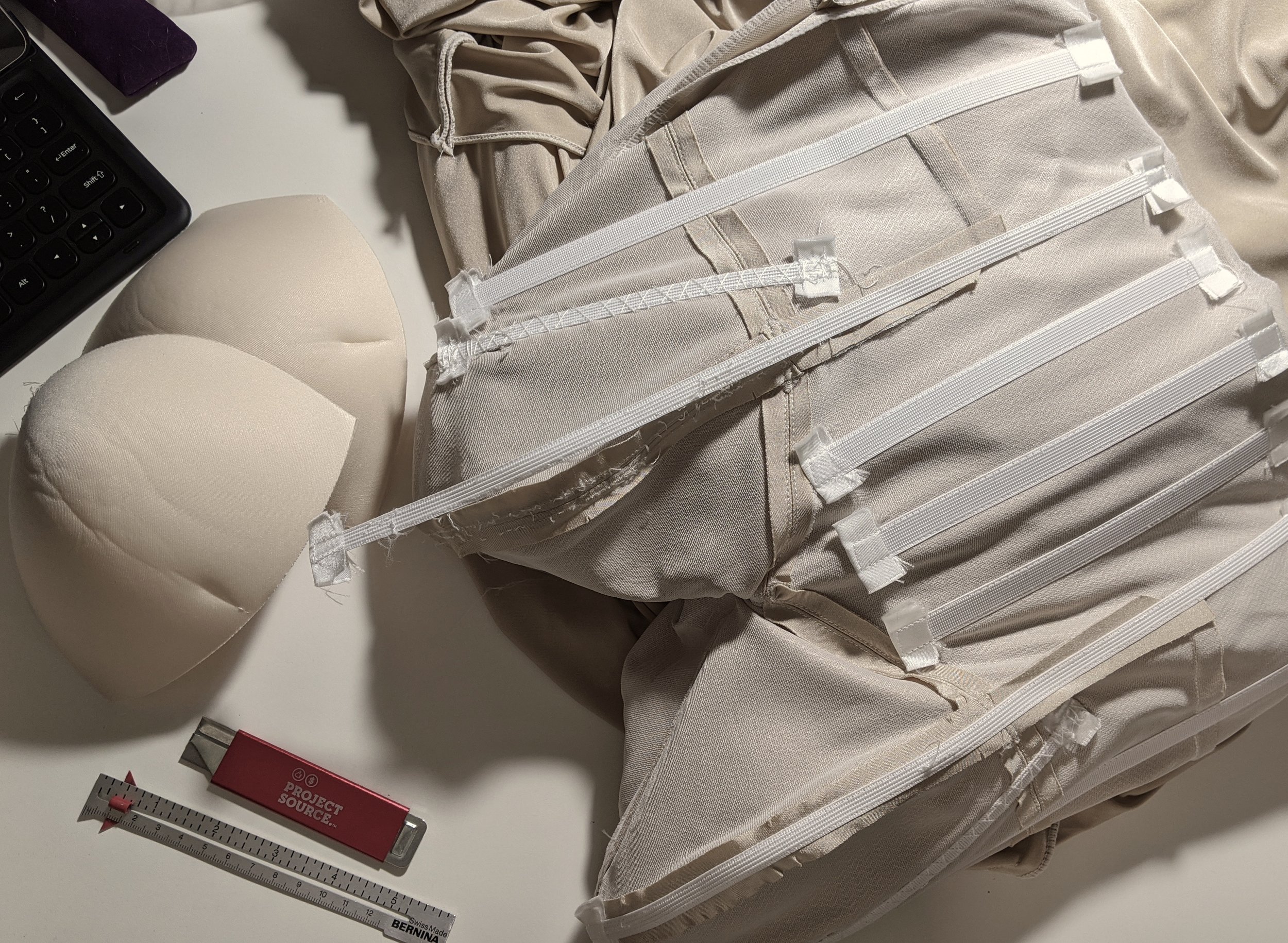
Customizations are often considered higher‑investment alterations because they involve reshaping or adding new design elements to the gown. These can include adding sleeves, changing a neckline, modifying decorative details, or adding an inner corset for structure and support.
Hemline pricing varies based on the type of hem your gown has. Factors such as a bagged hem, horsehair trim, rolled hem, chiffon fabric, slits, multiple skirt layers, lace edging, or intricate beadwork all influence the labor involved and therefore the final cost.
Booking a consultation
Booking your consultation is where clarity begins. Securing this appointment early is essential as bridal seamstress calendars fill quickly and often months into the following year. Reserving your spot now ensures you’ll have the time and attention your gown deserves when your wedding approaches.
This consultation is your first glimpse into the experience ahead. It allows you to meet your seamstress, feel the energy of the studio, and see how you’re cared for, and guided. You want to feel comfortable, supported, and genuinely understood. Strong communication and a natural connection are key indicators of how your alteration journey will unfold.
From the moment you step into the studio to the moment you leave, your seamstress should make you feel excited, confident, and cared for.
During this appointment, your bridal seamstress evaluates:
How the gown fits right now
How you’d like it to fit on your wedding day
Structural needs (boning, support, reshaping)
Fit adjustments (hem, sides, straps, bust, hips)
Movement considerations
Bustle options
Hem line preferences
how much you can expect to pay for alterations
Your consultation sets the direction for your gown’s transformation. Brides walk away knowing exactly what to expect, with a clear plan and timeline. Being open about what you want and what you’re unsure about helps your seamstress understand your needs and guides you toward the best solutions. The more you share, the more confidently they can support you. If you’d like to book a consultation with us feel free to fill out our Inquiry Form.
The Typical Bridal Alterations Timeline (some brides may differ from this)
Fitting 1 — The Foundation (3-6 months out)
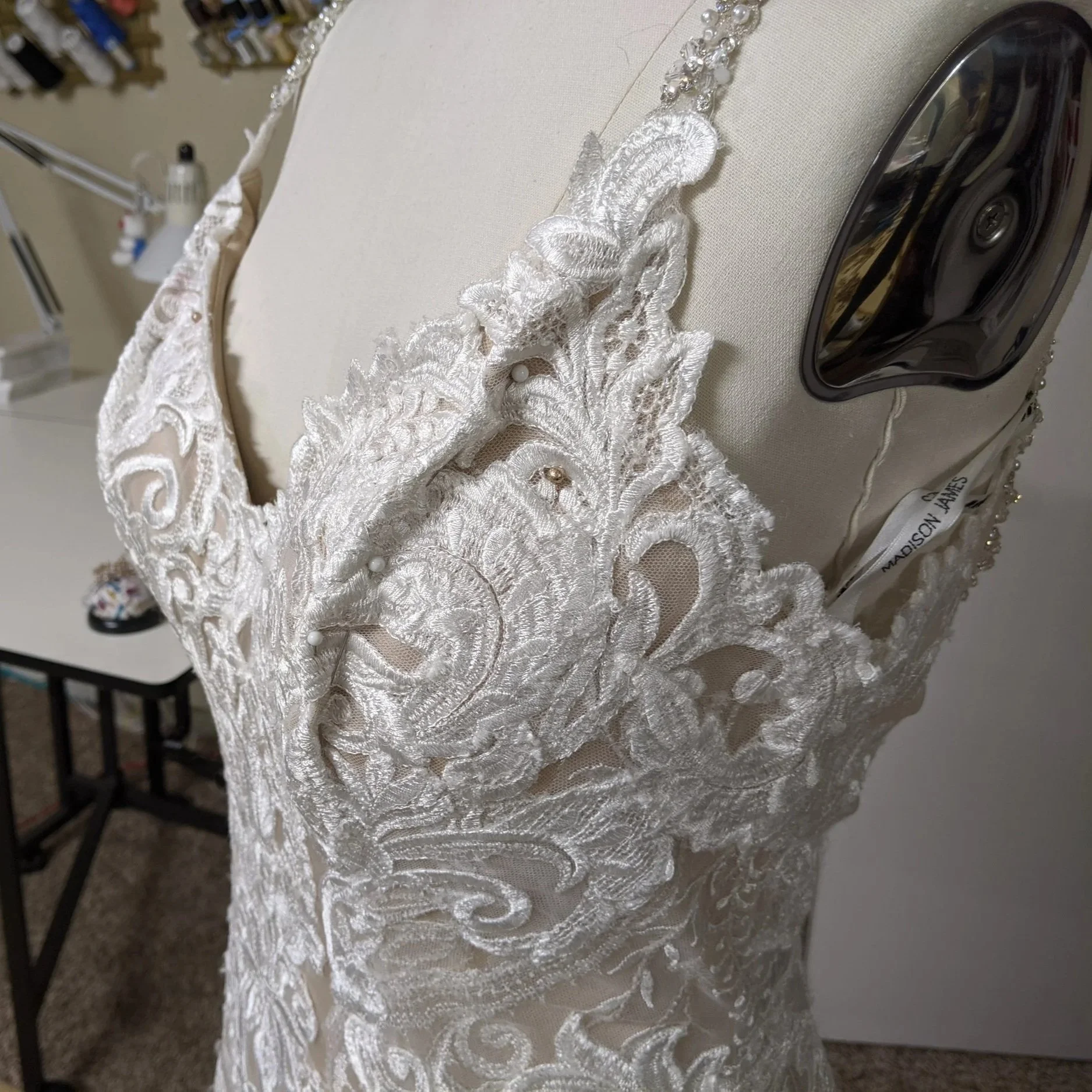
This is where the architecture of the gown is set. Your seamstress pins the sides, evaluates support, and begins shaping the gown to your body. This fitting establishes the structure that everything else builds upon.
For your first fitting, it’s very important to bring any shapewear or specialty undergarments you plan to wear on your wedding day, as your seamstress will be sculpting the gown to your body and the right foundation pieces ensure a precise, tailored fit. You’re welcome to bring your veil and wedding‑day jewelry to see how each element complements your gown and helps you envision your full bridal look. Be sure to also bring the shoes you’ll be wearing on your wedding day as well. If you haven’t selected them yet, a pair with a similar heel height will work perfectly for establishing the correct hem and proportions.
Many brides bring a trusted friend or family member for support. Choose someone who champions your decisions and helps you feel calm and confident.
For the smoothest experience, try to be close to your expected wedding‑day weight at this fitting. Even small changes can affect the fit, and maintaining consistency helps avoid additional adjustments.
If your gown was purchased off the rack or previously worn, consider having it professionally cleaned beforehand. Gowns have a chance of experiencing slight shrinkage during cleaning, and completing this step early prevents costly rework.
Fitting 2 — Refinement and Movement
By now, the gown is closer to your shape. Your seamstress refines the fit, adjusts anything that settled differently, and tests movement such as walking, sitting, breathing, dancing. It is crucial that you be completely honest if something doesn’t look or feel right on your gown. It’s your seamstress’s top priority to make sure you feel happy and confident in the look and fit of your gown.
At this stage your hem will be pinned and adjusted to its final height so be sure to bring your wedding day shoes to this appointment. This is also when bustle options are discussed.
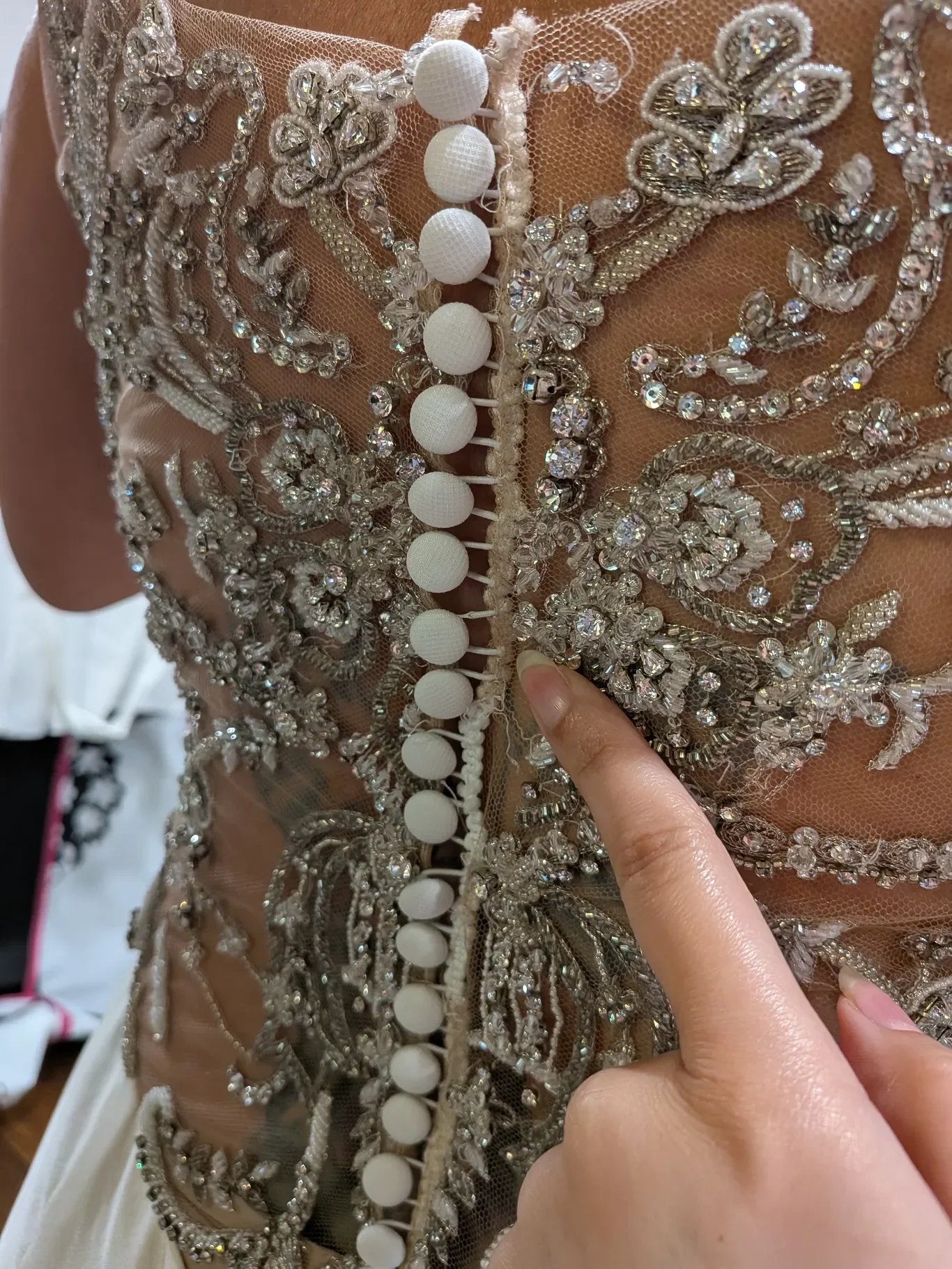
A wedding bustle is a system of hidden loops, buttons, ribbons, sometimes all the above, your seamstress adds to your gown so the long train can be lifted and secured after the ceremony. This helps your dress stay beautifully shaped, so you can move comfortably, dance, and celebrate without stepping on your train. Your seamstress will recommend the style that best complements your dress.
Fitting 3 — Final Checks + Pick‑Up (1-2 weeks before wedding day)
This is the moment everything comes together. Your seamstress checks the hem, seams, bustle, support, and overall silhouette. You see your gown exactly as you’ll wear it on your wedding day. Perfectly polished, intentional, and perfectly tailored to you.
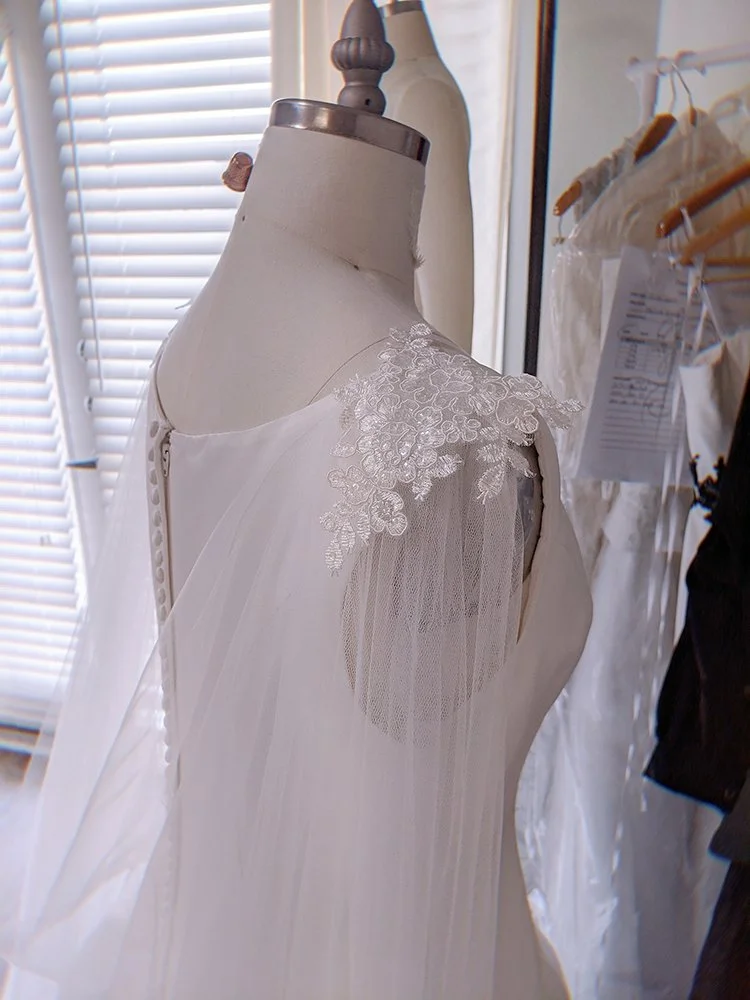
Why does this timeline matter?
Bridal alterations aren’t just sewing, they’re engineering. Fabric behaves differently once it’s cut. Seams settle. Bodices shift. Brides lose or gain a little weight. Spacing fittings out ensures the gown evolves with you, not against you. A thoughtful timeline protects your peace and guarantees your gown fits flawlessly.
Final Thoughts for Brides
The alterations part of your wedding should be just as magical as picking out your gown. Choosing the seamstress that you feel listens to you and supports you through this important step is crucial. You have a million things to focus on during this period in your life, having your alterations done should not be something you have to worry about. Visit our FAQ Page for more information about our particular policies and other helpful information. Also we welcome you to share your thoughts!
Wishing you all the beauty, joy, and ease on your wedding day.
Your gown is about to become everything you dreamed it would be.